
Bringing together cities, partners, and finance for Ukraine’s recovery
The Ukraine Recovery Conference (URC 2026), co-hosted by Poland and Ukraine and held in Gdańsk on 25-26 June 2026, brought together one of the highest-level global gatherings on Ukraine’s recovery to date. With heads of state and government, international financial institutions, businesses, local authorities and civil society in attendance, the conference served as a platform to accelerate investment and support Ukraine's reconstruction, with discussions focusing on sectors most affected by Russian aggression, including urban development, modern housing and decentralised energy systems.
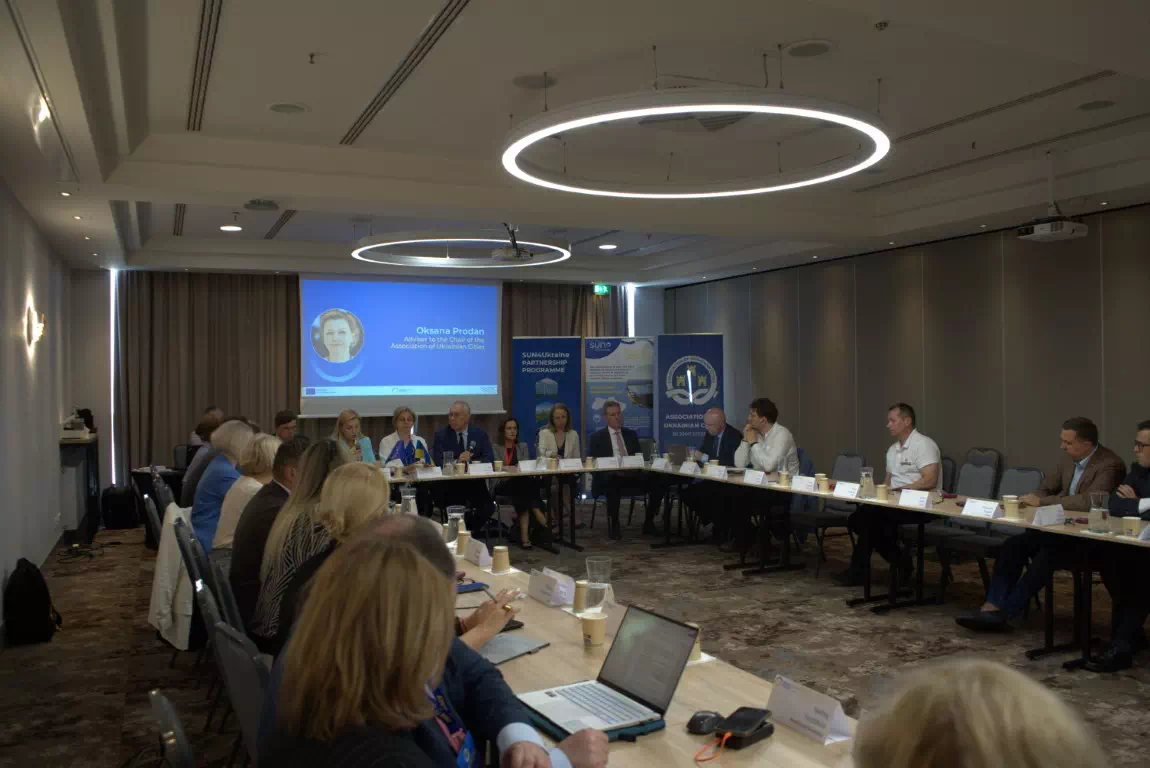
Through its activities at URC 2026, including a side event co-organised with Eurocities and the Association of Ukrainian Cities, SUN4Ukraine highlighted how stronger cooperation between cities, institutions and finance partners can help transform local recovery priorities into investment-ready projects.
Cities at the centre of Ukraine’s recovery
Across the conference, local authorities were recognised as essential actors in both maintaining critical services under wartime conditions and shaping long-term reconstruction strategies.
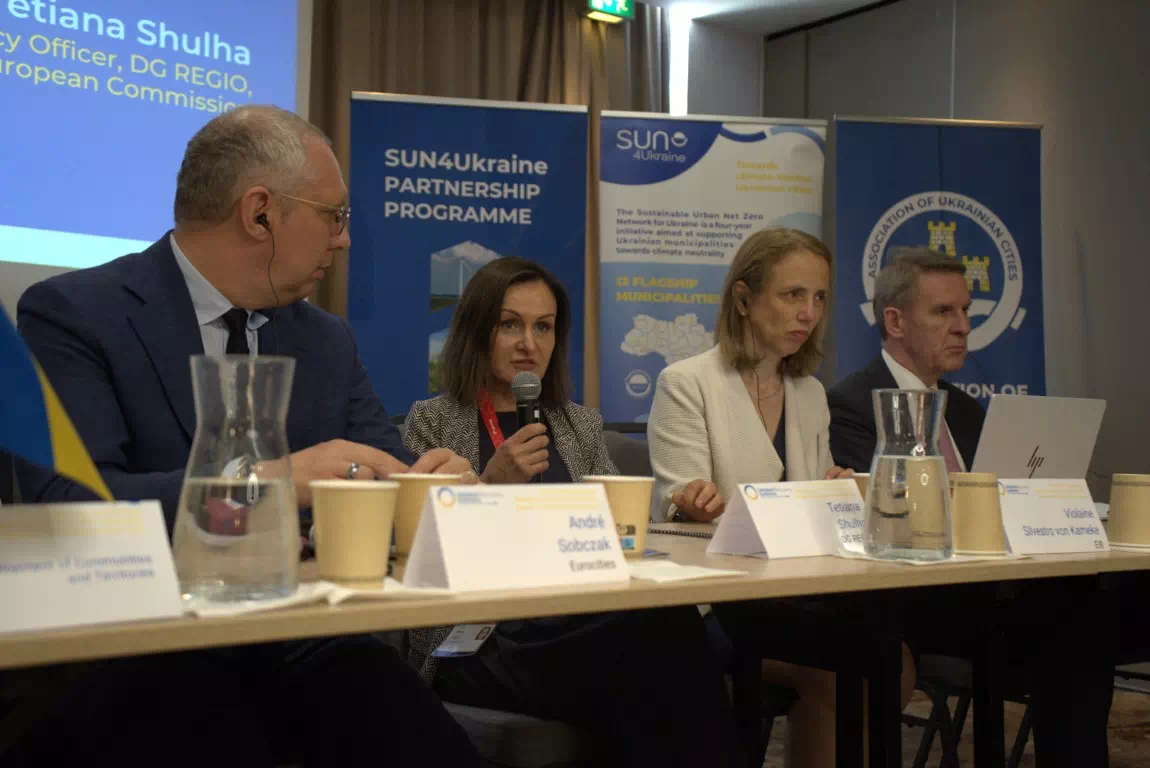
As André Sobczak, Secretary General of EUROCITIES, stressed during the SUN4Ukraine side event: “A better Ukraine starts in cities”. He also added that "supporting Ukrainian cities is not only about rebuilding infrastructure. It is also about democracy, security, resilience, and making sure Ukraine has its place in Europe."
SUN4Ukraine builds on these principles by fostering city-to-city cooperation between Ukrainian Flagship Municipalities and EU Mission Cities, helping local authorities develop more resilient, sustainable and climate-neutral recovery pathways.
Turning recovery needs into investable projects
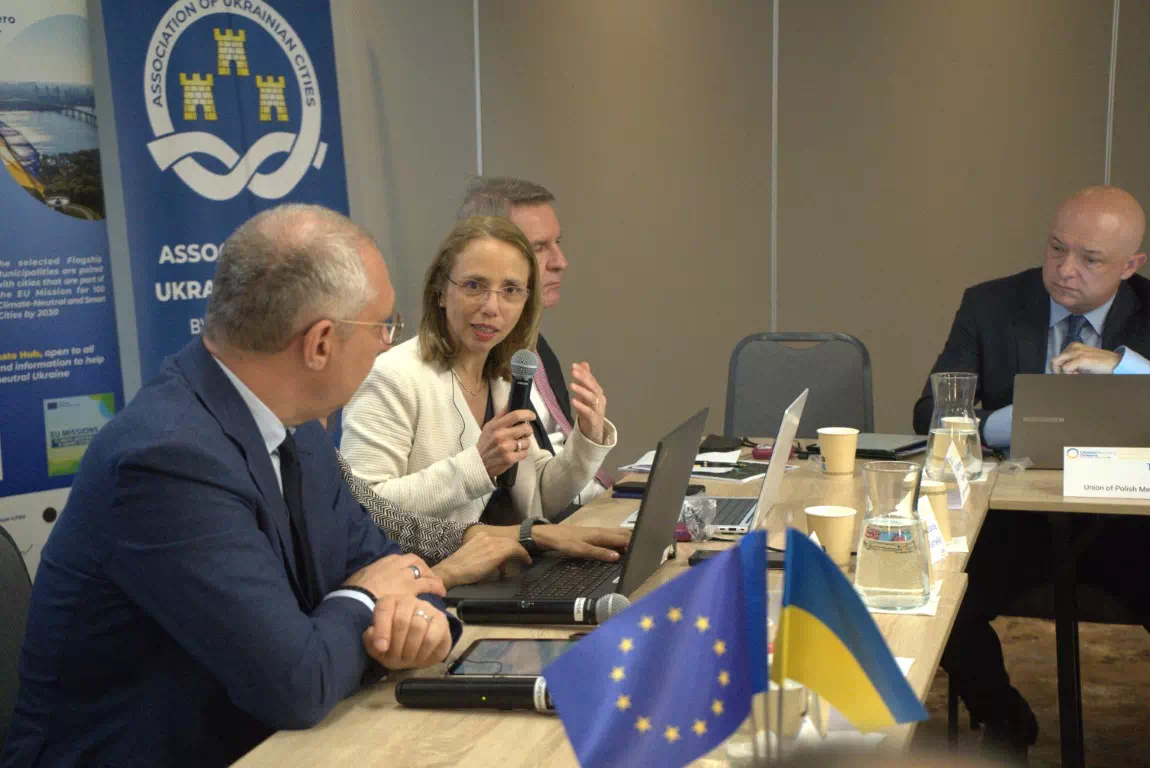
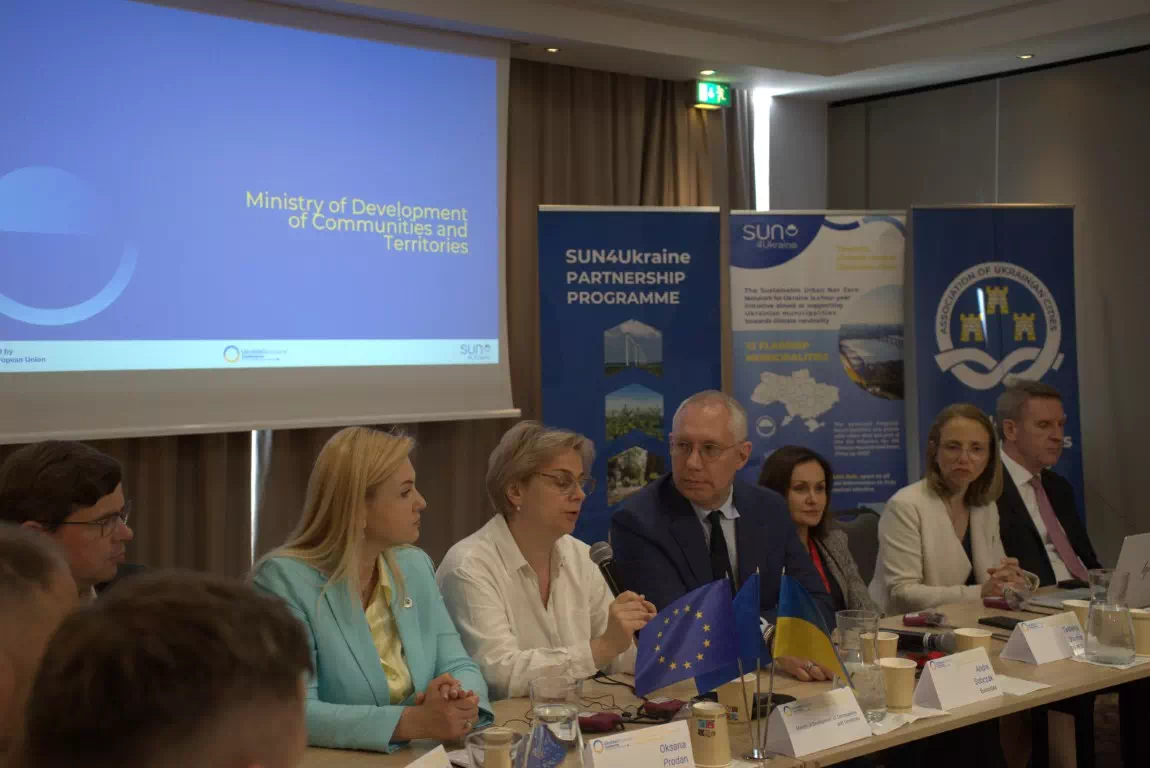
A central highlight of SUN4Ukraine’s participation at URC 2026 was a dedicated side event organised by SUN4Ukraine, the Association of Ukrainian Cities and Eurocities, bringing together Ukrainian mayors, representatives from the Ukrainian government, European institutions, international financial institutions, banks, associations and technical partners.
The discussion focused on a key challenge: how to transform urgent local recovery needs into bankable, investment-ready projects.
Mayors from Kalush, Konotop and Novovolynsk illustrated what this challenge means in practice. They described the realities of planning reconstruction while responding to ongoing security threats, limited administrative capacity and pressing infrastructure needs. Their experiences highlighted the need for technical support, stronger project development and earlier dialogue with financial partners to move priority projects from planning to implementation.
Speakers underlined that while funding is essential, it is not sufficient on its own. Municipalities need stronger project preparation, technical expertise and earlier engagement with financial institutions to turn recovery plans into viable investments. They also stressed that public funding alone cannot meet the scale of Ukraine's reconstruction needs, making it essential to mobilise private capital alongside support from the European Union and national governments.
Oksana Prodan, of the Association of Ukrainian Cities, underlined the need to listen directly to municipalities and ensure reconstruction finance responds to real local priorities. Tetiana Shulha, from the European Commission's DG REGIO, highlighted how Ukraine's EU integration can support reconstruction by strengthening cooperation between national, regional and local levels.
Delivering this transition from planning to implementation requires coordinated support across all levels, from local to national and European, as well as closer collaboration with private finance.
Representatives from the European Investment Bank highlighted the scale of ongoing engagement, noting: “We want to bring the EU everywhere, in every village, in every community, in every city of Ukraine.” As Violaine Silvestro von Kameke of the European Investment Bank explained, this reflects the bank's commitment to reaching communities across the whole country.
The European Bank for Reconstruction and Development (EBRD) emphasised the importance of robust project preparation, explaining that well-prepared projects make financing significantly more effective.
Technical and private sector partners pointed to ongoing challenges, including fragmented project pipelines and gaps between national and municipal planning. The message from finance and technical partners was clear: cities, banks and investors need to work together much earlier.
 |  |  |
|---|---|---|
Eurocities exhibition stand attracts strong interest in SUN4Ukraine
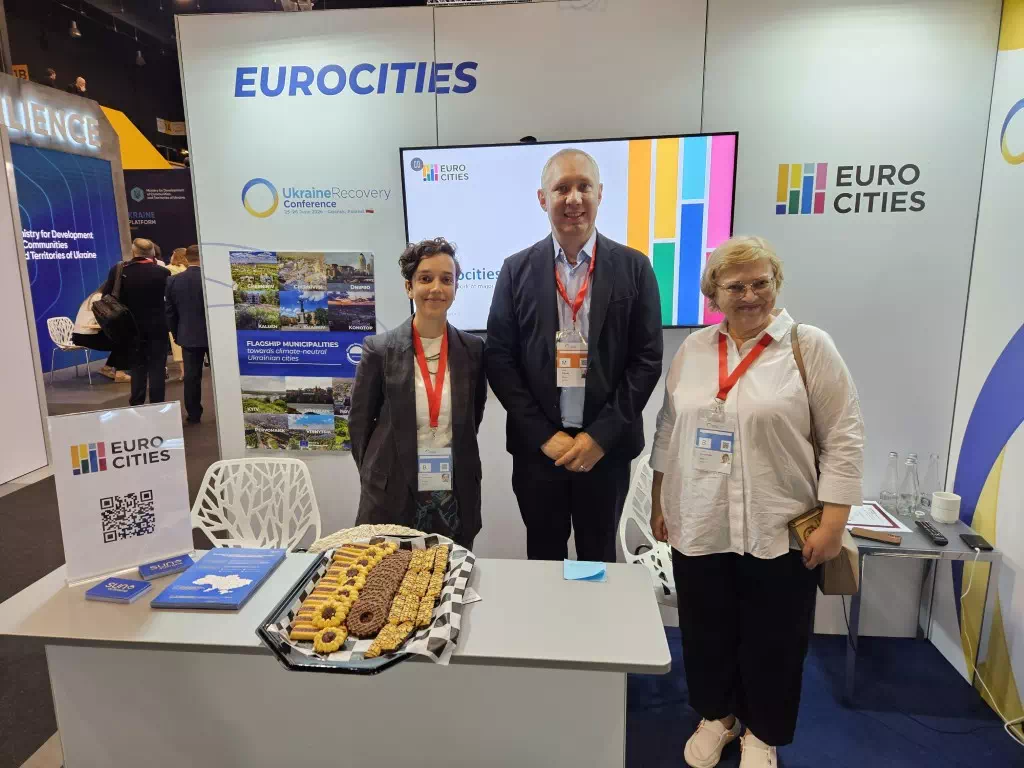
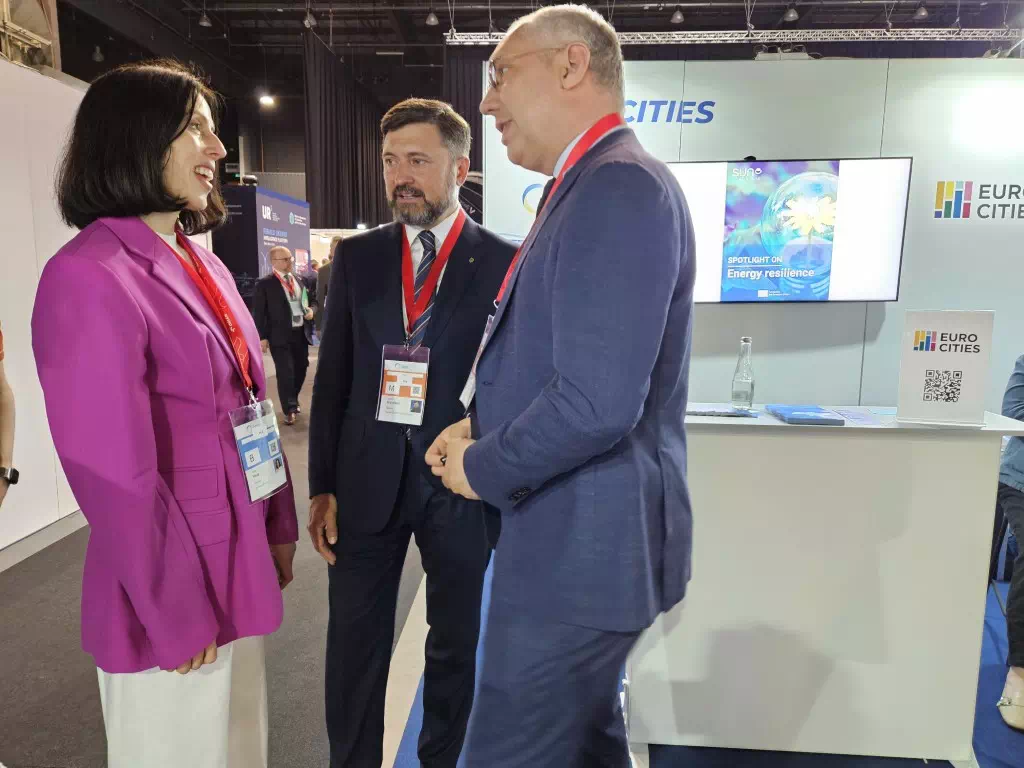
Alongside the side event, Eurocities also hosted an exhibition stand at URC 2026, showcasing SUN4Ukraine and how the project supports Ukrainian Flagship Municipalities in preparing for sustainable reconstruction.
The stand provided a space for direct exchange with Ukrainian cities, regional authorities, EU-funded initiatives and technical partners. It attracted strong interest from stakeholders working on urban recovery, climate neutrality and energy transition, reflecting the growing demand for partnerships that can support implementation on the ground.
 |  |
|---|
Building partnerships for long-term recovery
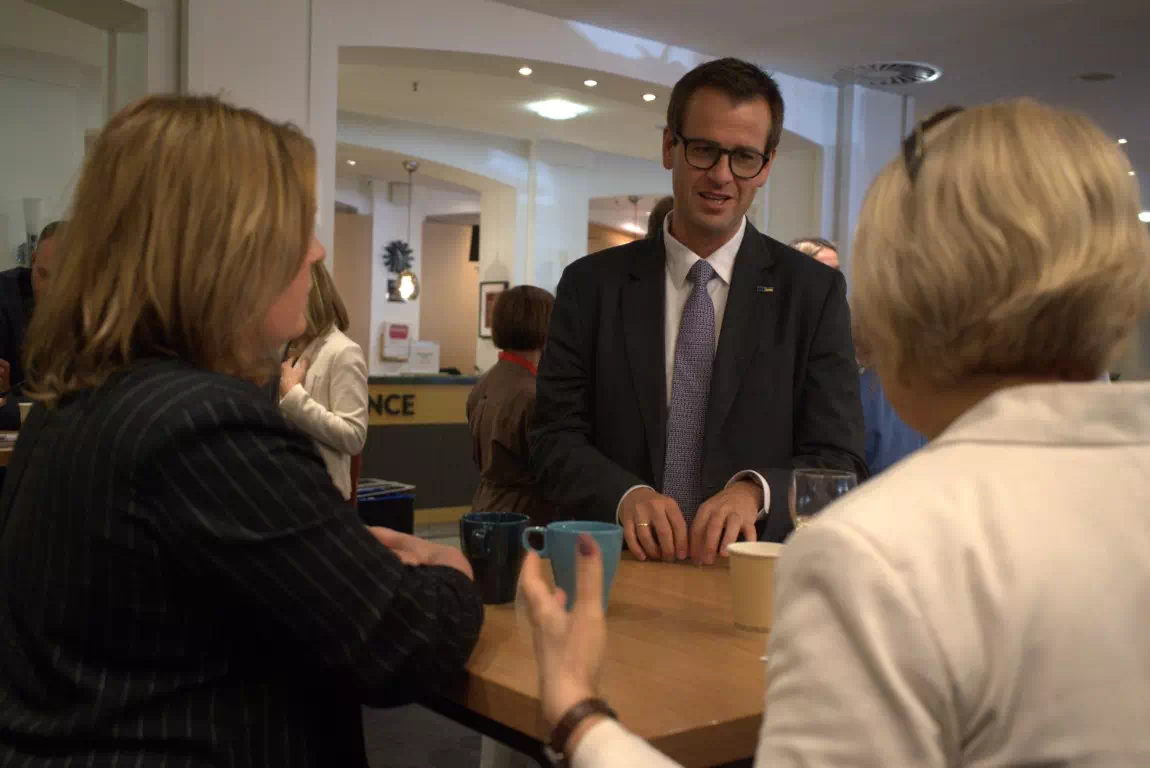
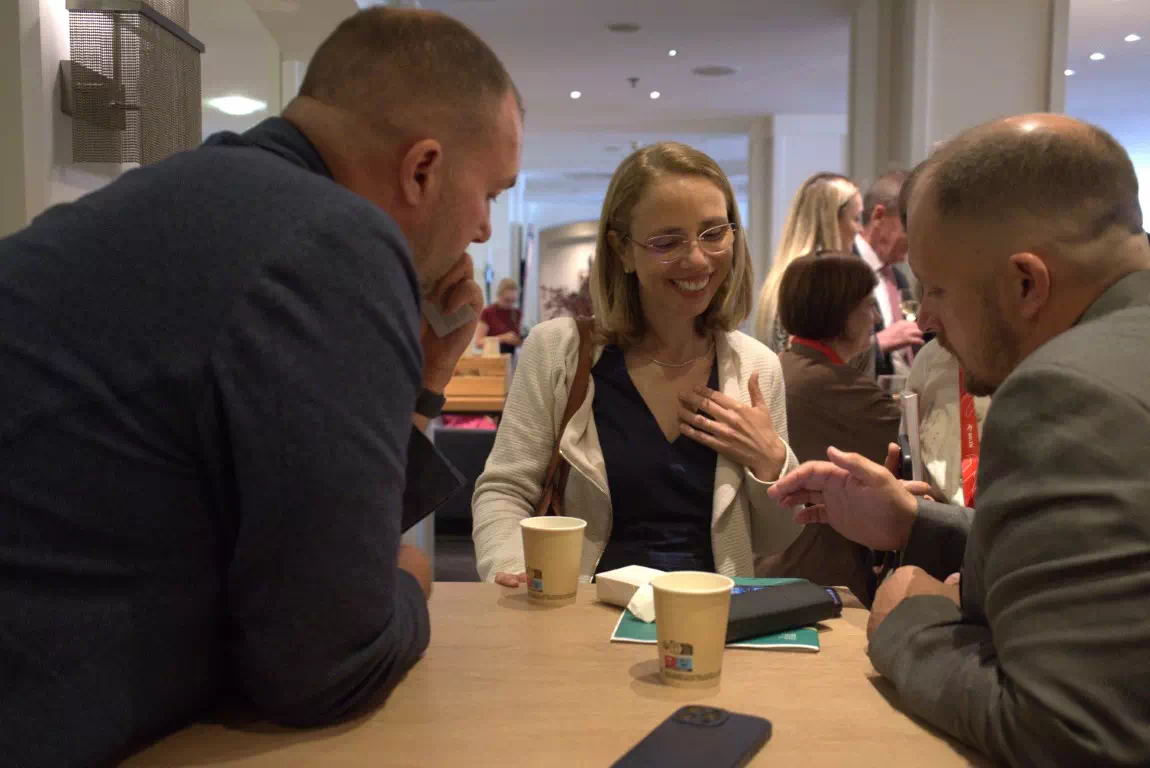
Beyond formal sessions, URC 2026 provided extensive opportunities for networking and dialogue between Ukrainian city leaders and European partners.
Meetings with mayors from cities including Mykolaiv, Mariupol, Konotop, Kalush and Novovolynsk highlighted both the urgency of local recovery needs and the importance of long-term cooperation frameworks.
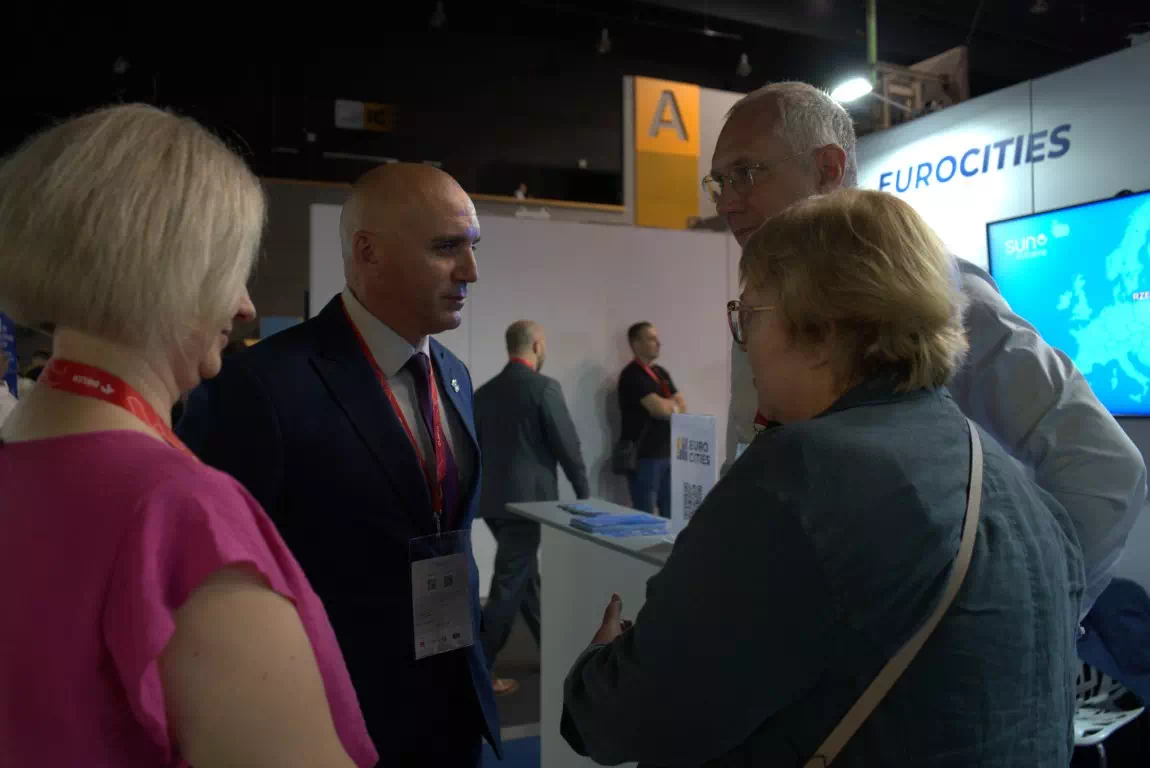
These exchanges reinforced an idea emerging from the conference: Ukraine’s reconstruction cannot be achieved through isolated projects. It requires partnerships that connect local needs with European expertise, financing mechanisms and technical capacity. It also requires building solutions together, reflecting the collaborative, city-to-city approach at the heart of SUN4Ukraine.
In this context, SUN4Ukraine continues to support a model of recovery that is locally driven, investment-ready and aligned with Europe’s long-term sustainability and climate goals.
As URC 2026 made clear, rebuilding Ukraine is not only about restoring what was lost, but about building stronger, greener and more resilient communities for the future.
 |  |
|---|