«Чапля чахла, чапля сохла, чапля здохла».
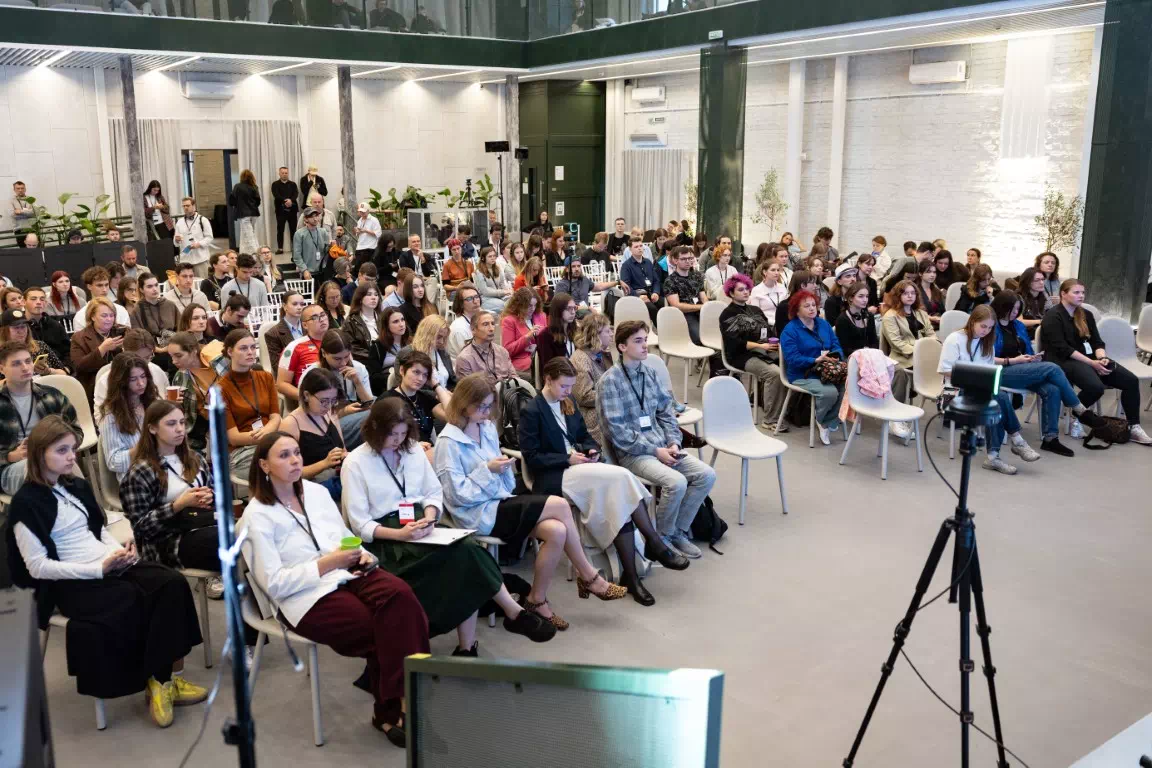
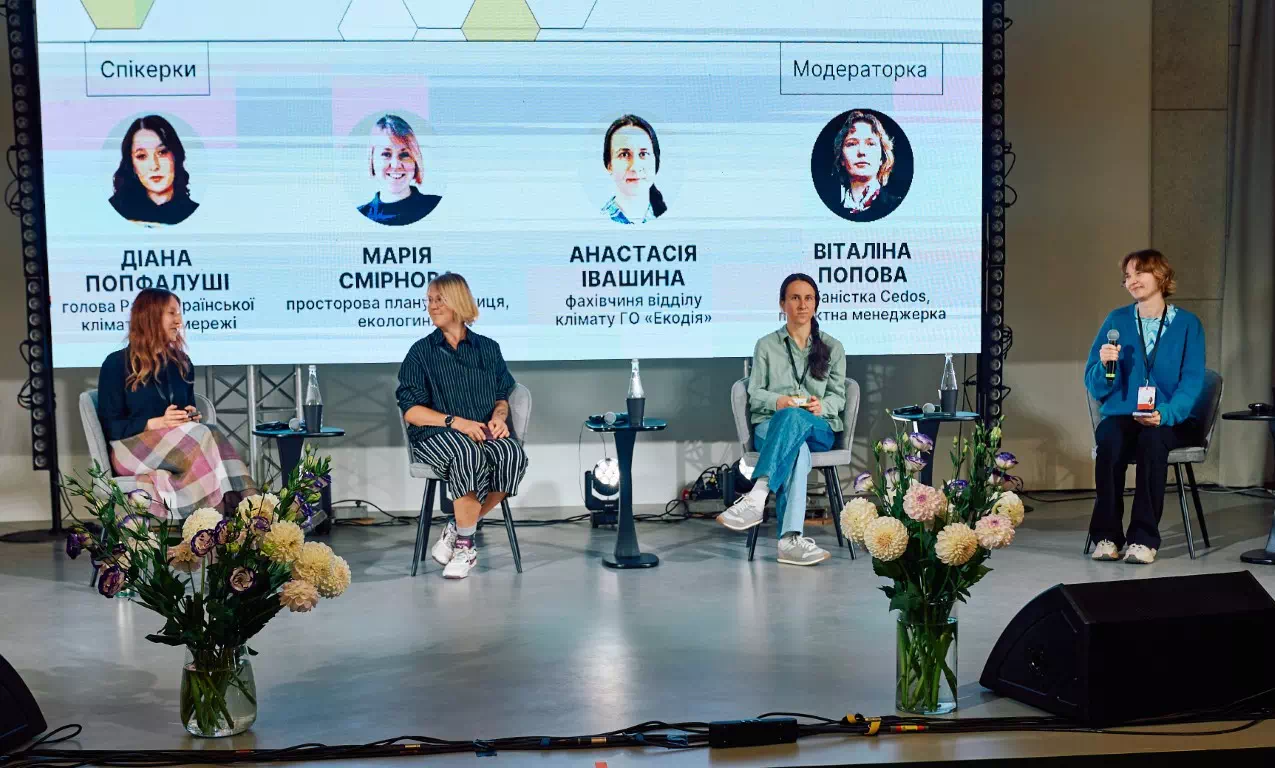
У межах Українського урбаністичного форуму 2025 відбулася дискусія «Погляд у
майбутнє: кліматична нейтральність в умовах війни», до якої долучилися фахівчині з екології та представниці громадського сектору. Зосередили обговорення на стані клімату зараз, екологічних викликах сьогодення, зокрема наслідках війни, і на способах пом’якшення цих наслідків.
Про екологічні виклики
Діана Попфалуші, голова Ради Української кліматичної мережі, розпочала дискусію тезою про подвійну реальність сьогодення.
Над нами нависають дві серйозні загрози. Перша — глобальна зміна клімату, від якої неможливо сховатися. Друга — воєнні дії, що тривають на території України. Разом вони створюють унікальну ситуацію, де наявні проблеми посилюють одна одну.
Працювати одночасно в цих двох вимірах надзвичайно складно. Паралельно з війною ми відчуваємо й прямі наслідки зміни клімату: аномально спекотні літа, безсніжні зими, посухи, лісові пожежі, повені, деградацію ґрунтів — цей перелік можна продовжувати без кінця. Ці процеси підривають продовольчу безпеку, ускладнюють життя громад і вимагають від нас не лише відновлення після війни, а й негайних дій — діяти потрібно тут і зараз, бо часу на зволікання просто немає.
Як же реагувати на ці процеси, якщо зараз відбувається перерозподіл акцентів і ресурсів — цілком виправданий у воєнних умовах? Кошти, які в мирний час могли б спрямовуватись на адаптацію до зміни клімату та пом’якшення її наслідків, нині йдуть на оборону й захист. Ці пріоритети не можна просто змінити — потрібно вміти рухатися далі в межах цих реалій.
Анастасія Івашина, фахівчиня відділу клімату ГО «Екодія», згадала про перетини війни та кліматичної кризи. Зокрема те, що вони мають спільне коріння — викопне паливо. У людства було достатньо часу, щоб перепланувати економіку та відмовитися від нього. Проте країни, подібні до Росії, що перетворилися на «бензоколонки», а також великі корпорації, побудовані на викопних паливах, зацікавлені у протилежному — їм потрібен швидкий прибуток. Саме з продажу нафти та газу Росія отримує кошти на ведення війни проти України.
Інше питання — безпосередній вплив війни на клімат. За три роки повномасштабного вторгнення сума додаткових викидів склала 230 мільйонів тонн CO₂-еквіваленту — стільки ж, скільки за рік разом викидають Угорщина, Словаччина, Чехія та Австрія, високорозвинені індустріальні країни. Обрахунок охоплює процеси, пов’язані з логістикою, вибухами та лісовими пожежами. До цього додається велика частина, пов’язана з повоєнною відбудовою, використанням сталі, бетону та інших матеріалів. Крім того, існує соціальна вартість цього вуглецю, яку також потрібно враховувати.
Марія Смірнова, просторова планувальниця й екологиня,
наголосила, що багато екологічних проблем у містах досі не вирішені.
Якщо ми прагнемо кліматичної нейтральності, потрібно починати говорити про болючі теми: нелегальні сміттєзвалища, забруднені річки, деградовані екосистеми. Ми готові витратити 40 гривень, щоб купити пляшку води «Миргородської», але чомусь не готові вкласти кошти, щоб річка Стир була чистою і там могла жити чапля.
Зараз основний дохід країни й увага держави в цілому зосереджена на тому, як зупинити навалу, що на нас суне. Але нам як населенню, що перебуває зараз тут у наших містах, потрібно працювати на захист тилу, на те, куди всі ці ветерани і ветеранки повернуться. І тому питання екологічних викликів має бути включене в порядок наших щоденних розмов. Потрібно говорити про екологічні виклики відкрито та не ігнорувати їх. І якщо йдеться про збір коштів на очищення річки — будь ласка, не проходьте повз, підтримуйте такі ініціативи.
Боротьба зі зміною клімату — це ще й про обмеження у споживанні. І тут питання до нас: чи готові ми зробити цей крок?
Про кліматичну нейтральність
Наступною темою обговорення стало поняття кліматичної нейтральності. Лін Попова, проєктна менеджерка й урбаністка Cedos, а також модераторка дискусії, зазначила, що в Україні діє рамковий закон «Про основні засади державної кліматичної політики». Закон визначає кліматичну нейтральність як стан, за якого загальний обсяг антропогенних викидів парникових газів дорівнює або компенсується загальним обсягом видалених парникових газів. Надалі учасниці обговорення дискутували про те, чи можливо прагнути кліматичної нейтральності в умовах війни.
Анастасія Івашина пояснила, що кліматична нейтральність пов’язана з необхідністю перезапуску економічної системи та способу господарювання таким чином, щоб вплив на клімат був нейтральним. Вона зазначила, що це передбачає максимальне скорочення додаткових викидів парникових газів, таких як вуглець, метан і сірка. Водночас не всі викиди можна усунути одразу, тому залишкові викиди мають поглинатися природними екосистемами, зокрема болотами, які ефективно зберігають вуглець.
Кліматична нейтральність є зрозумілою концепцією, яку використовують, зокрема, у країнах Євросоюзу, де вона закладена в Європейському зеленому курсі. Саме тому це поняття з’явилося в українському законодавстві та використовується у контексті євроінтеграційних зобов’язань. Цей підхід є доволі ефективним, і важливо не лише декларувати його, а й реально рухатися в цьому напрямку. При цьому навіть у європейських країнах його впровадження не завжди ідеальне, тому питання планування кліматичної нейтральності потребує постійного обговорення та вдосконалення.
У тилу важливо щоденно оцінювати, як ми плануємо та здійснюємо свою діяльність, і бажано застосовувати фільтр кліматичної нейтральності задля збереження довкілля, покращення умов життя та подолання наслідків кліматичної кризи. Планування кліматичної нейтральності вже частково відбувається. Наприклад, проєкт SUN4Ukraine за підтримки Єврокомісії допомагає 12 міським громадам України у плануванні та досягненні цілей кліматичної нейтральності. Консорціум проєкту сприяє розробці дорожньої карти та плану кліматичної нейтральності, щоб громади зрозуміли суть цього процесу і могли максимально врахувати свої умови й особливості для переходу від поточної базової лінії до стану кліматичної нейтральності.
Марія Смірнова: Кліматична нейтральність — це про усвідомлення того, що наші ресурси обмежені. Ми маємо певну «валізку» і можемо вмістити в неї лише стільки, скільки дозволяє її розмір. Це не просто метафора — вона ґрунтується на науковій концепції шведського дослідника Йохана Рокстрема, який розробив теорію планетарних меж. Його дослідження показали, що на планеті існує дев’ять ключових систем, від стану яких залежить стабільність життя: біосфера, озоновий шар, океани, прісна вода, ліси тощо. І кожна з них має свою межу, за яку не можна виходити без ризику незворотних змін. Ми живемо в час, коли бачимо, що ці ресурси скінченні — вода, ліси, чисте повітря поступово вичерпуються.
Саме тому перед громадами стоїть завдання: як забезпечити розвиток або відновлення — особливо в умовах війни та руйнувань — у такий спосіб, щоб не виходити за ці природні межі.
Наприклад, коли ми встановлюємо сонячні панелі, це справді сприяє енергоощадності. Але якщо при цьому громада масово вирубує дерева, ми фактично нівелюємо цей ефект — адже дерева є природними поглиначами вуглецю, і їх знищення, навпаки, спричиняє його вивільнення в атмосферу.
Подібна ситуація і з хаотичною забудовою: вона не лише руйнує природні екосистеми, а й потребує значної кількості будівельних матеріалів. Будівельна галузь, у свою чергу, є одним із найбільших джерел забруднення довкілля. В Україні досі не розв'язане питання належного сортування та переробки будівельних відходів — навіть після трирічних дискусій так і не були ухвалені зміни до законодавства, які б дозволяли використовувати вторинну сировину. Це суттєво сповільнює наш рух до кліматичної нейтральності.
Я повертаюся до концепції планетарних меж саме тому, що в умовах війни, коли держава змушена використовувати ресурси для оборони, а воєнні дії неминуче спричиняють великі викиди, нам потрібно особливо відповідально ставитися до власної «вуглецевої валізки». І тому громадам варто починати з визначення базової лінії — розуміння власного рівня викидів, щоб будувати розвиток більш зважено та в межах екологічних можливостей.
Потрібна чесна пріоритезація: саме питання збереження та відновлення екосистем має стати одним із головних. Адже саме вони є ключем, який дозволить нам швидше досягти кліматичної нейтральності. Відновлюючи природні системи, ми не лише компенсуємо частину викидів, а й створюємо стійке підґрунтя для розвитку громад у майбутньому.
Діана Попфалуші: Колись ми рухалися у двох площинах. У нас були ресурси відновлювані й у нас були ресурси невідновлювані. Все було ніби просто. Зараз з'явилася третя проміжна категорія, називається потенційно відновлюваними ресурсами. Тобто, аби ці ресурси відновилися, ми як людство маємо докласти до цього зусилля. Відповідно, нам потрібно брати все у свої руки, тому що планета без нас дуже добре собі дасть раду. Це ми без ресурсів не зможемо вижити. То чи потрібна нам декорабонізація та кліматична нейтральність? Відповідь: так.
За дослідженням «Екодії» під назвою «Вода близько», якщо не змінювати підходи до економіки та не скорочувати викиди, до 2600 року близько 450 населених пунктів в Україні опиняться під водою. Частину Одеси, Миколаєва та інших міст буде затоплено. Ці міста вже зараз стикаються з численними викликами, а необхідність враховувати ризики підтоплення робить планування ще складнішим.
«Кліматична нейтральність — це не опція. Це ґрунт, база, основа».
Тому в контексті зеленої відбудови та відновлення декарбонізація і кліматична нейтральність — це не опція, це ґрунт, база, основа. Можливо, зараз для цього потрібні більші фінансові ресурси, але ми розуміємо, що заходи, які ми впровадимо сьогодні, принесуть значно більший ефект і користь у довгостроковій перспективі.
Для політик_инь така тематика часто не є привабливою, адже природоорієнтовані рішення потребують часу — іноді 20–30 років, щоб показати помітний результат. Природні системи формувалися тисячі, а подекуди й мільйони років, тому неможливо відновити їх у «турборежимі», якими б не були наші амбіції.
Саме тому впровадження таких рішень зазвичай ініціюють громадські організації чи відповідальний бізнес. І це дуже важливо — адже саме на місцевому рівні найкраще шукати й будувати цю підтримку, залучаючи громади до реальних дій і довгострокових змін.
Коли ж ідеться про міжнародні проєкти, виникає ще одна проблема: європейське законодавство вже визначає чіткі вимоги, а в нас на місцях їхніх аналогів поки немає. Тож доводиться «рухатися між краплями» — балансуючи між різними системами, але все одно впроваджувати рішення тут і зараз, бо просто не можна чекати.
Тому потрібно продовжувати робити те, що ми робимо, навіть якщо це поки не завжди вписується в наявні рамки.
Анастасія Івашина: Я тут хочу навести дані соціологічного дослідження, яке минулого року проводив ресурсно-аналітичний центр «Суспільство і довкілля». Вони опитували україн_ок про ставлення до питань зміни клімату, зокрема в умовах війни. І статистика показала, що понад 35% вважають зміну клімату надзвичайно серйозною проблемою. І понад 50% вважають серйозною проблемою. І відповідно, понад 80% людей переймаються так чи інакше питанням зміни клімату і того, що відбувається з довкіллям.
Діана: «право на місто» зараз означає передусім дихати чистим повітрям, мати тінь над головою, прохолоду влітку і безпечні вулиці та простір, який нам усім належить. І загалом наше майбутнє залежить від готовності включатися в ці зміни, і також обов'язково відмовитися від першопричини цього всього — викопного палива. І загалом викопне паливо — це як «токсік колишній». Ми подякували за досвід, усвідомили свою цінність, але далі будемо працювати зі стабільними та надійними партнерами. І для нас це — відновлювані джерела енергії, кліматична нейтральність і природоорієнтовані рішення.